Why Meesho orders get cancelled or returned, and how to cut them down
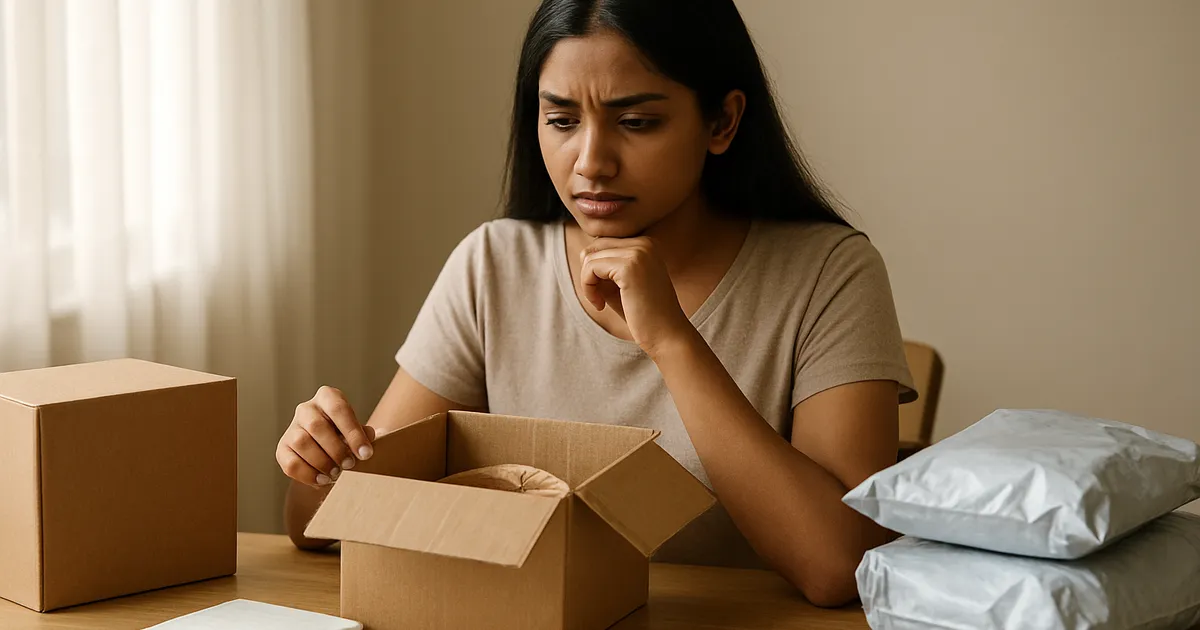
Illustration generated with AI
A return is the most expensive kind of sale. You paid for the product, the packing and the outbound shipping, and then you may also pay for the return. Many sellers treat returns as bad luck. They are not. They have causes, and a few of the causes are cheap to fix.
What is the difference between a cancellation and a return?
A cancellation happens before the parcel reaches the buyer. It may be the buyer changing their mind, the seller failing to dispatch in time, or the courier failing to deliver. A return happens after delivery, or after a delivery attempt that did not complete. They need different fixes, so count them separately.
How do you find out why they happen?
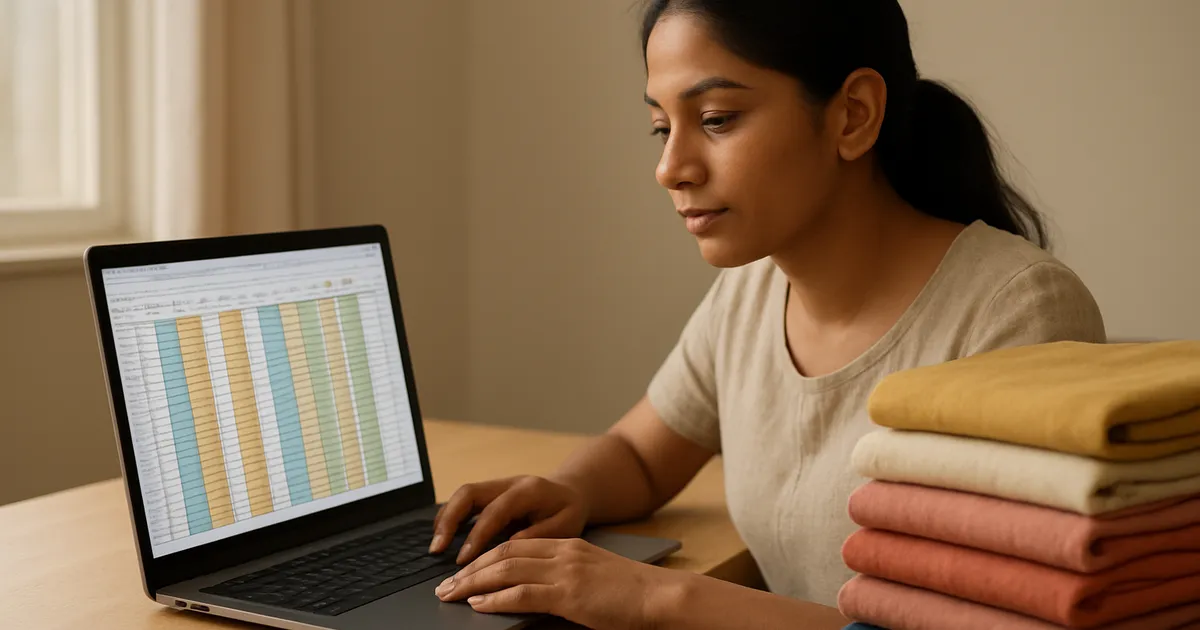
Do not guess. Make a small log. Every time an order comes back, add one row to a sheet with:
| Date | SKU | Type | Reason given | Your own view |
|---|---|---|---|---|
| 03 Oct | KUR-014-L | Return | Size issue | Chart missing chest measure |
| 04 Oct | SAR-002 | RTO | Not reachable | Buyer phone off |
| 06 Oct | KUR-014-M | Return | Colour different | Photo too bright |
After a month, count by reason. You will usually find that two or three reasons make up most of the cost. Start with those.
Which causes can you actually fix?
Wrong size. For clothing this is often the largest cause. Add a size chart with real garment measurements, not just S, M and L. Measure a finished piece laid flat and write chest, length and shoulder in inches or centimetres. If your sizes run small, say so in the description.
Colour not as shown. This usually comes from photo editing or bright light. Shoot near a window, avoid heavy filters and compare the photo against the real item on your phone before uploading.
Quality not as expected. The listing promised more than the product delivers. Rewrite the title and description to match what the buyer will actually receive. Mention thin fabric, light weight or slight variations.
Damaged in transit. A packing problem rather than a listing one. See our post on packing and courier tips for the thinking, even though it was written for print items.
Wrong item sent. Almost always a stock problem on your side. A clear SKU pattern and labelled shelves fix it.
Buyer not reachable or refused. You can do little here directly, though a clear delivery date and a decent price lower the chance of refusal.
A worked example: one design with too many returns
Say design KUR-014 has 40 orders in a month and 9 come back, with 6 of those marked as size issues. That is a clear signal, because a size problem on one design points at that design's chart or fit and not at your whole shop.
What would we do?
- Measure the actual kurti in M, L and XL and write the chest and length in the size chart.
- Add a line to the description: "Runs slightly small, choose one size up if between sizes." (Only if true.)
- Add a photo of the size chart as the second image.
- Wait for the next 40 orders and compare.
If the size returns fall, you fixed it. If not, the pattern may be wrong and the design needs a rethink.
How much do returns really cost you?
Work it out in rupees for one design, so the problem feels real. Take the product cost, packing, outbound shipping and any return shipping charge. Add them up for one returned unit. Multiply by the number of returns last month. That figure often explains why a product with a decent margin on paper loses money in practice.
A product that makes you a small profit per sale can be cancelled out by a handful of returns. Keep the number in front of you when you decide whether to fix a listing or stop selling it.
Do photos really affect returns?
Yes. Honest photos give honest expectations. A flattering but misleading photo can raise the click rate and also the return rate, and the second usually costs more than the first earns. A clean photo with accurate colour, a view of the back and a close-up of the fabric lowers surprises. Our Meesho Image Creator helps you produce the standard crops and a size chart quickly, though you still need accurate source photos.
What about fake or abusive returns?
They exist, and they are frustrating. Keep proof when you can: a photo of the item before packing, a short video of the packing process for higher value orders, and the weight of the parcel. If a return arrives damaged or different from what you sent, the evidence helps when you raise a ticket.
How should you reply to buyers who raise problems?
Not every problem becomes a return if it is handled well. Where the platform allows you to respond, be polite and specific. Thank the buyer, acknowledge the issue and explain what you can do. If a size runs small, say so and suggest an exchange if that is possible. Do not argue or blame the buyer in public. Good replies can lead to updated reviews and show other buyers that you care. Keep a few reply templates for common issues, and personalise them with the buyer's concern.
What to do next
Start the log today, even if it is on paper. After 30 days, count the reasons, pick the top one and change one thing. Then check again. That slow routine beats any trick.
FAQs
What is a normal return rate? It depends heavily on the category. Clothing tends to run higher than plain accessories. Compare your own numbers month to month rather than against someone else's claim.
Should I stop selling a design with many returns? Try one fix first, like the size chart or photo. If the next batch of orders is no better, stop and move the money to a design that works.
Do returns affect my ranking? It is likely that poor ratings and high return rates hurt visibility, though Meesho does not publish how. Treat it as a reason to fix causes early.
Image credits: Illustration generated with AI for Infigrow AI, Photo: 20230124 InPost parcel boxes Piotrowicka Katowice by Abraham (CC BY-SA 4.0), via Wikimedia Commons