Meesho shipping, weight and packaging mistakes that quietly cost you money

Illustration generated with AI
Shipping looks like a small line in your cost sheet until the settlement arrives and the numbers do not match what you expected. Weight and packaging are two of the places where the gap comes from, and both are in your control.
Why does weight matter so much?
Courier charges are based on weight slabs. A parcel that crosses into a higher slab costs more, sometimes noticeably more. If the weight you entered in the listing is lower than the real weight, the courier measures the parcel, finds the difference and a correction follows. That correction can show up as a deduction you never planned for.
So the goal is simple: enter the true packed weight, and price the product with the shipping cost included.
Do you weigh the product or the parcel?
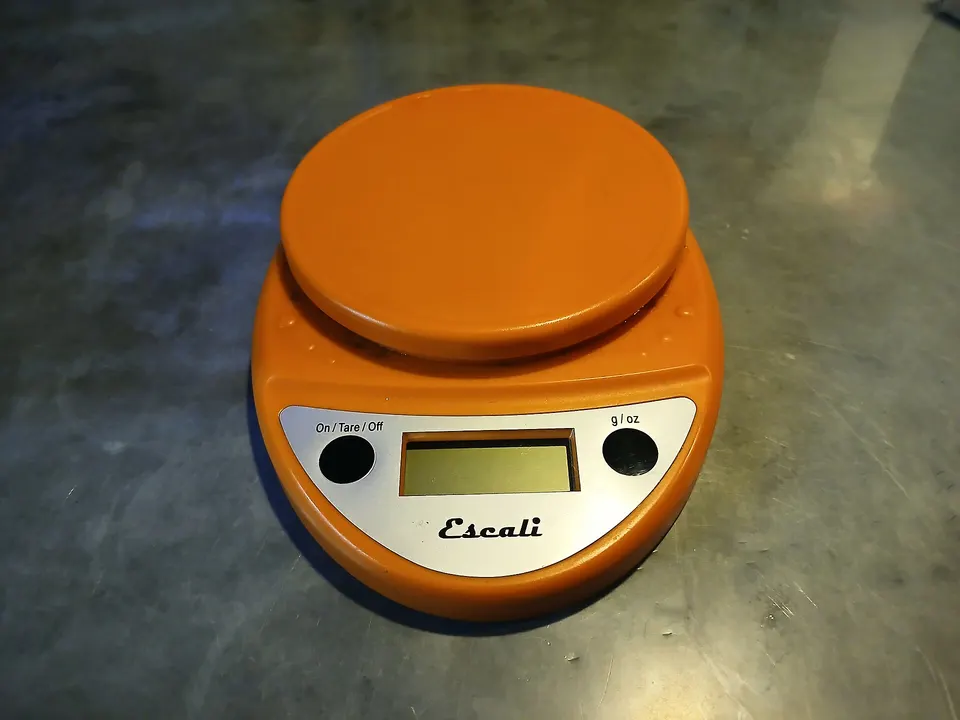
The parcel. The product with its polybag, any cardboard, tape and label. A kurti that weighs 220 grams on its own might be around 240 once it is packed. Use a small digital kitchen scale, which is cheap and accurate enough, and weigh a real packed parcel for each product type.
Keep a sheet like this:
| Product | Product weight | Packed weight | Packing used |
|---|---|---|---|
| Cotton kurti | 220 g | measure it | Poly bag + tape |
| Saree | 450 g | measure it | Poly bag, box if needed |
| Small earring set | 30 g | measure it | Padded envelope |
Fill in the packed weight yourself. Do not borrow someone else's figures, since your fabric, bag and tape differ.
What is volumetric weight?
Couriers sometimes charge by the size of the box rather than the weight if the box is large and light. A pillow in a big box is a classic example. The idea is that space on a truck costs money too. If you ship bulky and light products, keep the package compact. Fold, compress safely and choose the smallest bag that protects the item.
A worked example: a small weight mistake
Suppose a seller lists a saree at 400 g, while the packed parcel actually weighs 520 g because of a thick bag and a cardboard insert. If the weight tier changes at that point, each order carries a higher shipping charge than planned. With 100 orders a month, a small per-order difference becomes real money, and the product may be unprofitable at its current price without the seller noticing.
The fix: weigh a packed saree, enter the true figure, recalculate the margin and adjust the price, or switch to lighter packing that still protects the item.
Which packaging mistakes cost you?
Too much packing. A thick box for a light item raises the weight and your costs. Use what protects, not more.
Too little packing. A thin bag that tears or gets wet leads to damage claims and returns. Use a sturdy poly bag with a good seal. For liquids or fragile goods, add padding.
No labelling. Parcels without a clear SKU or order label get mixed up at your own table. A small sticker on the inside bag with the SKU and size prevents wrong items going out.
Weak sealing. Reused tape that peels is a quiet cause of "item missing" complaints. Seal firmly.
Skipping a check at dispatch. Packing in a hurry is when the wrong size goes out. A two-second look at the label against the order saves a return.
How do you keep proof if something goes wrong?
For items of higher value, take a quick photo of the packed parcel and the item inside before sealing, and keep it with the order number. A short video of the packing is even better. If a buyer claims damage or a missing item, you have something to show when you raise a ticket.
Does packaging affect reviews?
Yes. Buyers notice a neat, clean package, even at low prices. A slightly crushed, torn or dirty parcel makes the product feel cheap before it is opened. You do not need expensive packaging. You need clean, intact and well sealed.
Where do photos and size charts come in?
A fair share of "returns" is really an expectation problem, not a shipping problem. Measurements in the size chart and accurate colours in the photos prevent returns that no packaging can fix. The Meesho Image Creator can generate a size chart image along with your listing images, which keeps sizing information consistent across your catalogue.
A quick weekly check that saves money
Once a week, pick three orders at random and compare the weight you entered with the weight the courier recorded, if the panel shows it. Look for patterns: is one product always off? Then weigh a freshly packed parcel of that product and fix the listing. Check also that the packing material you use now matches what you used when you measured. A switch to thicker bags or a bigger box quietly changes the weight. Keep a note of packing material prices as well, since a small rise in the cost of bags or tape adds up over hundreds of parcels.
What to do next
This week, weigh one packed parcel of each product type and compare it with what you entered in the listings. Fix any that differ. Then recalculate your margin with the true shipping cost. If a product no longer pays, change the price or the packing, or stop selling it.
FAQs
Should I include the weight of the box in the listing? Yes. Use the weight of the whole parcel as it leaves your hands.
Is a branded box worth it? For low priced items, usually not. Spend on protection first. Branding can come later when margins allow it.
What if the courier says the weight is higher than I entered? Weigh the parcel yourself, keep the photo of the scale and compare. If you were wrong, correct the listing. If you were right, raise a ticket with your evidence.
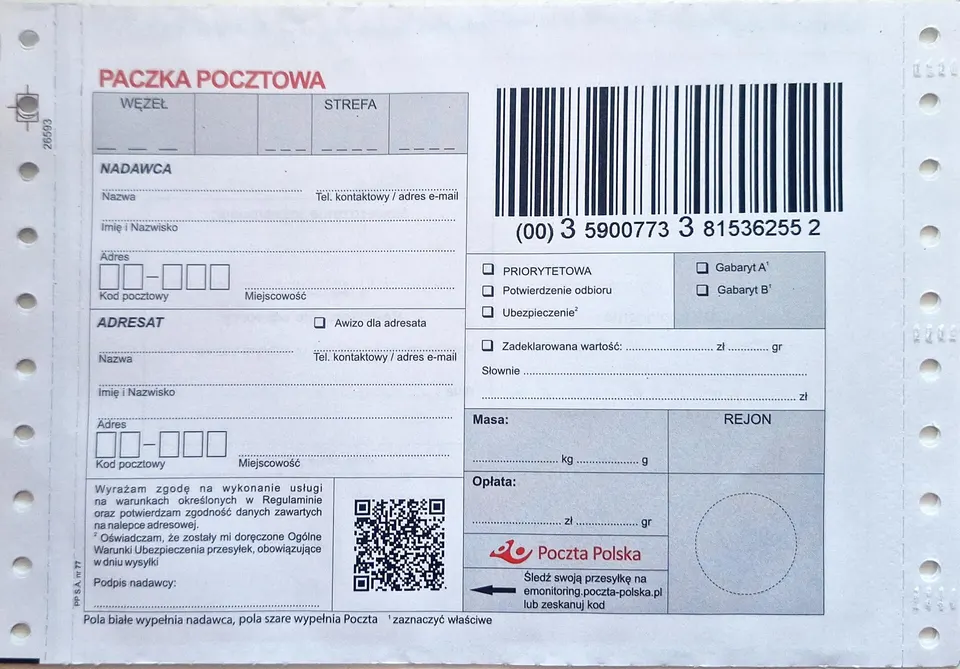
Image credits: Illustration generated with AI for Infigrow AI, Photo: Escali digital kitchen scale by Ser Amantio di Nicolao (CC BY-SA 4.0), via Wikimedia Commons, Photo: Postal parcel Polish Post format 2024 by Rakoon (CC0), via Wikimedia Commons