How to pick products to sell on Meesho without wasting money on stock

Illustration generated with AI
The most common beginner mistake in online selling is buying a lot of one product because it looked like a winner. The money sits on the shelf for months. This post is about avoiding that, with a method that costs little and gives a straight answer.
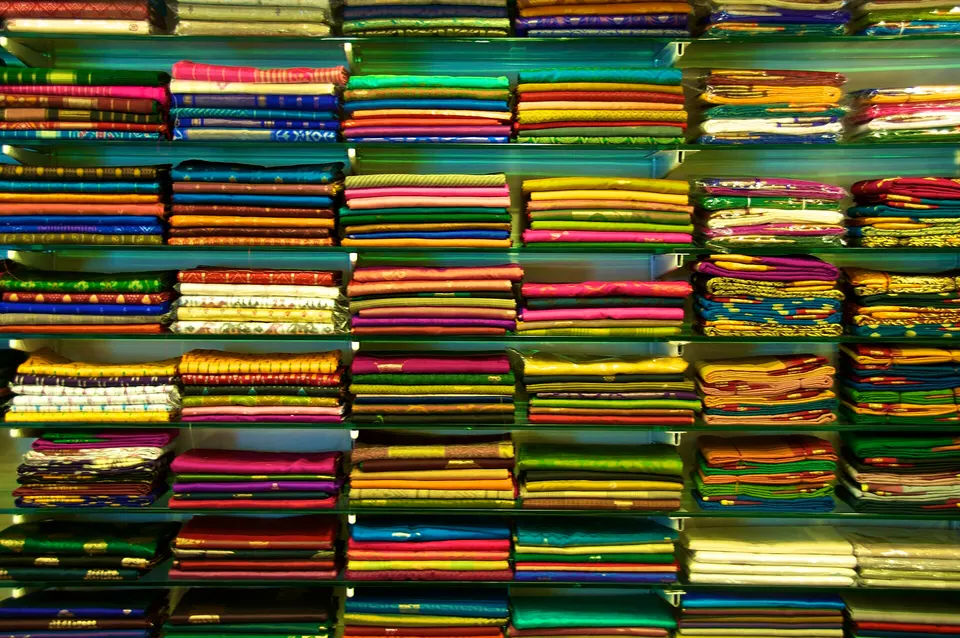
Why does buying in bulk go wrong?
Because the evidence you have is weak. You saw a product trending, a friend sold it well, or a supplier said it moves fast. None of this tells you how your listing, at your price, will perform. A wholesale rate that looks cheap per piece is not cheap if half the order never sells.
So the first rule is to separate two decisions: whether a product can sell, and how many to buy. Answer the first with a small test.
What does a small test look like?
Pick three designs, not thirty. Buy the smallest quantity your supplier allows, often a few pieces per size. List them with honest photos and clear sizing. Run them for a fixed period, such as three or four weeks.
Before you start, write the pass rule on paper. For example:
- At least a set number of orders in the period.
- A return rate under a limit you can live with.
- A profit per delivered order above a minimum you set.
The numbers are yours to choose. What matters is that you decide before you see the results, so you do not talk yourself into keeping a weak product.
How do you check the margin before you buy?
Work out the true cost per delivered order, not per piece bought.
| Item | Example amount |
|---|---|
| Purchase cost per piece | what you pay the supplier |
| Packing material | polybag, tape, label |
| Shipping charge to you | depends on weight |
| Share of returns | cost of returns divided across orders |
| Meesho charges, if any | check the current structure |
Your selling price minus all of this is the margin. If the margin is thin before returns, it can disappear after them. Use real figures from your own packing, and weigh the packed parcel to get the shipping charge right.

A worked example: choosing between three designs
Suppose you test three kurti designs, A, B and C, with 10 pieces each, and run the listings for 21 days.
- Design A: 12 orders, 2 returns.
- Design B: 3 orders, 0 returns.
- Design C: 9 orders, 5 returns.
A is the clear winner. B sells slowly, so it needs a better photo or title before you judge it. C sells but returns too much, so check why before reordering. A sensible next step is to reorder A in the sizes that sold, and try one fix for B.
You spent a small amount and learned which one to scale.
How do you find ideas worth testing?
Look at what is already sold in your target category without copying anyone's photos. Open the app, search, and note price ranges, what the top results have in common, and what reviews complain about. Complaints are useful: "colour faded", "too small", "thin fabric". If you can offer the opposite and say it honestly, you have an angle.
Also look at your own life. Products you understand are easier to describe truthfully and to pack, source and support. Pick categories where you can tell a good piece from a poor one.
What should you avoid?
Following a trend after it peaks. If everyone is selling the same item, margins are thin.
Heavy or breakable items at the start. Shipping and damage costs can wipe the margin. Start light and sturdy.
Many sizes and colours at once. Each variation needs stock. Begin with the sizes that sell most in your category and add more later.
Paying for stock before the listing exists. List first when you can, with a sample, so you see interest before spending.
Ignoring cash flow. Money comes back to you after the order is delivered and the payment cycle completes. Do not spend money you need next week on stock you cannot sell this month.
How do you speed up the testing itself?
The slow part of a test is listing. If every test listing takes 15 minutes of retyping, you will test less. Save a profile for your category with your repeating fields so a test listing is mostly name, price and photos. The Meesho Listing Autofill extension is built for that. The quicker the test, the more designs you can try for the same money.
How do you learn from customers after the test?
Read every review and return reason on your test products. They tell you what to fix and what to keep. If three buyers say the fabric is thinner than expected, add that to the description or choose a better fabric next time. If buyers praise the print, show it in a close-up photo. Message your supplier with specific feedback, since a good supplier will adjust. Keep a notebook of these lessons by product. Over a few months, you will see what your customers want, which beats any list of trending items you might find online.
What to do next
Choose three designs this week. Write your pass rule on paper. Buy the minimum, list properly and run the test for a set time. Then buy more of the winner and drop the rest. Repeat the cycle every month with new designs, and your catalogue improves without large risks.
FAQs
How many pieces should a test order have? As few as your supplier allows while still covering your main sizes. The aim is information, not volume.
What if all three designs fail? That is a result too. Review your photos, titles and pricing before blaming the products, and test again with a different category.
Is a high price a bad idea? Not by itself, but buyers on Meesho are often price-sensitive. Test whether your product earns a higher price with clearly better quality and photos.
Image credits: Illustration generated with AI for Infigrow AI, Photo: Shelves from a Saree shop (6543977625) by screaming_monkey (CC BY-SA 2.0), via Wikimedia Commons, Photo: Shelves stocked with boxes and carts in a spacious warehouse environment during daylight hours by Shixart1985 (CC BY 2.0), via Wikimedia Commons