Bookkeeping basics for a small business owner: a 30-minute monthly routine

Illustration generated with AI
Most small business owners know their sales roughly and their profit not at all. Money comes in, money goes out and at the end of the year an accountant asks for papers that are scattered across a phone gallery, a drawer and three chat threads. A short monthly routine prevents that.
This is general information and not accounting or tax advice. Rules about GST, income tax and records differ by business type, so confirm the details with a qualified accountant.
Why does bookkeeping matter for a small seller?
Because without it you cannot answer basic questions. Did I make a profit last month? Which product earns more? Can I afford more stock? How much tax might I owe? Guessing leads to bad decisions, like restocking something that looks busy but earns little.
It also helps when you need a loan, when you want to compare months or when an authority asks for records.
What do you need to record?
Only four things to begin with.
- Money in: sales, with date, customer or order number and amount.
- Money out: purchases, courier charges, rent, salaries, ads, utilities and so on.
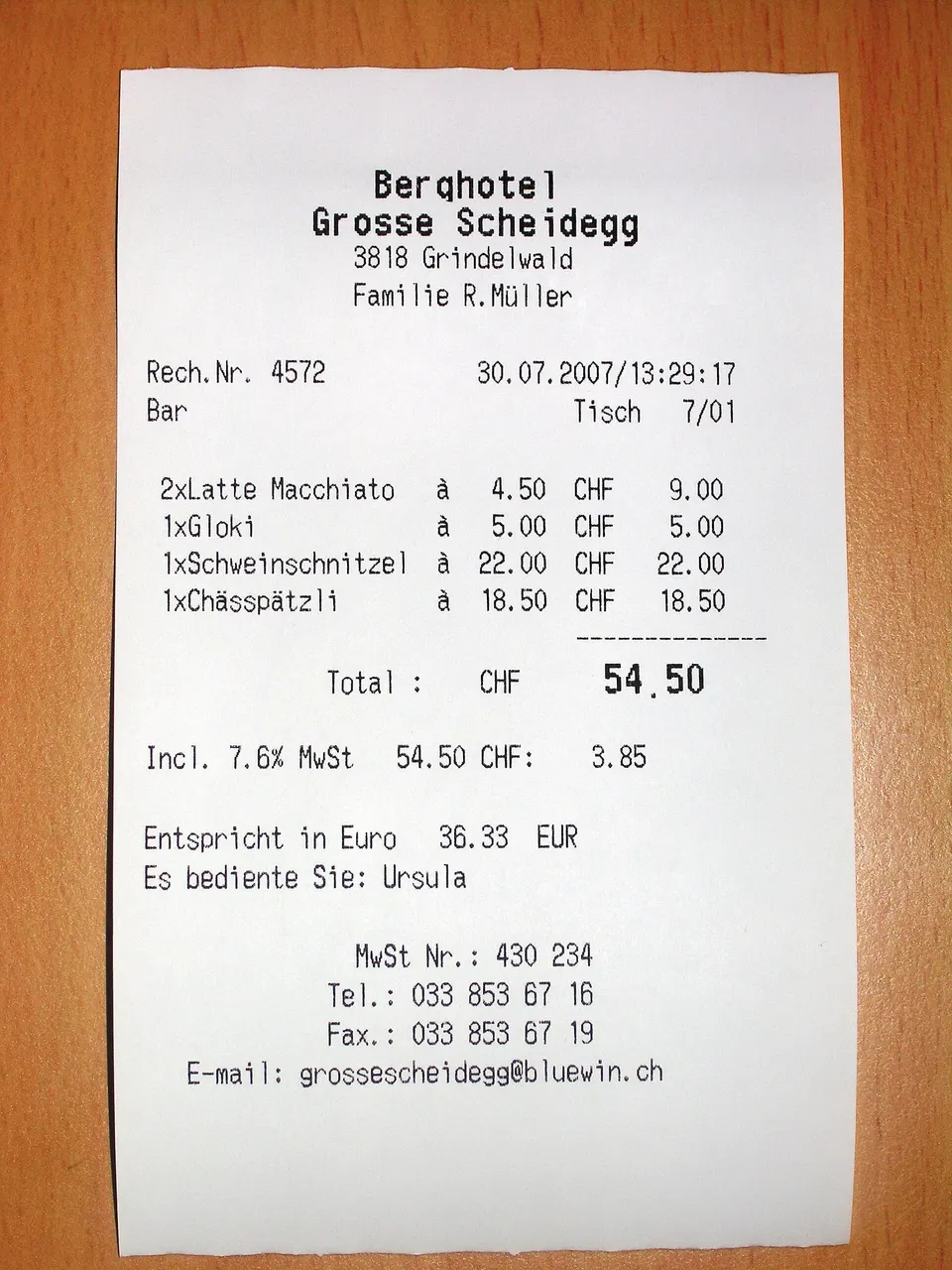
- Documents: bills, invoices, receipts and bank statements.
- Tax items: GST collected and paid, if you are registered. TDS or other items if they apply to you.
A spreadsheet is enough. Keep the sheet in a cloud drive so that a phone breakdown does not erase your history.
How do you set up the sheet?
Two tabs.
Income tab: Date, Description, Order or Invoice number, Amount, Payment mode.
Expense tab: Date, Description, Category, Amount, Payment mode, Bill saved (yes or no).
Define your categories once: materials, packing, courier, rent, utilities, marketing, salary, software, repairs, other. Do not invent a new category every month.
What is the 30-minute monthly routine?
Do it on the same date every month, for example the 1st to the 3rd.
- Collect (5 minutes). Gather last month's bills, bank statements and marketplace settlement reports.
- Enter income (7 minutes). Record sales from each channel. For marketplaces, use the settlement report and not your memory.
- Enter expenses (10 minutes). Go through the bank statement and bills, line by line.
- Check (5 minutes). Does the money in the sheet match the balance in the bank? A mismatch means something is missing.
- Summarise (3 minutes). Total income, total expenses and the difference. Write it down.
If it takes longer the first time, that is normal. It gets quicker.
A worked example with simple numbers
Suppose the month shows:
- Sales: 85,000.
- Materials and packing: 30,000.
- Courier and shipping: 9,000.
- Rent and utilities: 8,000.
- Marketing: 4,000.
- Other costs: 3,000.
Total costs are 54,000. The difference is 31,000. That is your profit before your own pay, tax and any loan repayment, not the money in your pocket. If you need a salary of 25,000 for yourself, you are left with about 6,000 to reinvest or put aside for tax. Seeing that clearly changes how you think about "good" months.
How do you keep your own money and the business money apart?
Use a separate bank account for the business if you can. Pay business costs from it and move a fixed amount to yourself on a set date. Mixing personal and business payments is the main reason accounts become unreadable. If you must use one account, mark each line as business or personal.
What do you do about receipts?
Take a photo of each bill when you get it and save it in a folder named by month. Name files with the date and the vendor, for example 2026-11-03-packing-supplier. For cash expenses with no bill, write a short note. Keep original bills for the period your accountant advises.
Where does salary come into this?
If you employ people, you will deal with salary, deductions and statutory payments. Understanding how take-home pay is worked out helps you explain a salary slip to an employee, and our paycheck calculator shows the breakdown for India, the US and the UK. It is an estimate and not payroll software, so use proper payroll processes for actual payments.
What mistakes should you avoid?
Leaving it to year end. Twelve months of mess takes ten times as long to fix.
Counting sales as profit. Profit is what remains after costs.
Ignoring returns and refunds. They reduce income, so record them.
Missing GST or tax deadlines. Put due dates in your phone calendar.
Using memory instead of reports. Marketplace settlement files give the true numbers.
What should you do when you are behind?
If you have months of unrecorded transactions, do not try to fix everything in one night. Start from today and keep the new routine going. Then go back one month at a time, newest first, using bank statements as the guide. Each month you finish gives you a clean figure. Mark gaps honestly with a note such as "bills missing, estimated" and ask your accountant how they want those handled. A rough but honest record beats a perfect one that never gets finished. Set a small weekly slot of an hour until you are caught up, then return to the monthly routine.
What to do next
Set a repeating monthly reminder and block 30 minutes. Create the two-tab sheet today and enter last month as a trial. At the next meeting with your accountant, ask what additional records they need and add those columns.
FAQs
Do I need accounting software? Not at the start. A spreadsheet plus saved bills works. Move to software when the volume of entries makes it painful or when your accountant recommends one.
Can I do my own accounts? You can keep the records yourself and have an accountant check and file them. That is a good split of work for most small businesses.
How do I know my real profit per product? Add the cost of materials, packing and shipping for each product to the sheet, then compare it with the revenue from it. Our post on pricing shows the method.
Image credits: Illustration generated with AI for Infigrow AI, Photo: ReceiptSwiss by Audrius Meskauskas (Audriusa) (CC BY-SA 3.0), via Wikimedia Commons, Photo: Moleskine Evernote Smart Notebook and pen (8401944314) by Guy Sie from Utrecht, Netherlands (CC BY-SA 2.0), via Wikimedia Commons